

On this page
- Introduction
- What counts as a car modification?
- How car modifications affect car insurance premiums
- Types of modifications and their insurance impact
- Disclosing modifications to your insurer
- Car modification insurance in Canada
- How to reduce insurance costs after modifying a car
- Final thoughts
Key Points About How Car Modifications Affect Car Insurance Premiums
✅ Any modification that changes your vehicle from factory condition — including rims, tint, exhausts, suspension, or engine upgrades — can affect your insurance premium and coverage.
💰 Performance modifications like turbochargers, ECU tuning, and lowered suspension usually increase premiums the most because insurers associate them with higher accident risk and repair costs.
📞 You must disclose all modifications to your insurer before installation. Failing to report mods can lead to denied claims, cancelled policies, or even personal liability after an accident.
🚗 Cosmetic and accessibility modifications typically have a smaller impact on premiums, while safety upgrades like alarms or tracking systems may even qualify for discounts.
⚠️ Some modifications are illegal or uninsurable in Canada — including excessive tint, restricted-colour lights, and nitrous oxide systems — and can void your coverage entirely.

Introduction
You bought new alloy wheels. Or you added a cold air intake. Or you tinted the windows. The car looks better, drives better, and feels more like yours. Then you get a renewal notice and the premium is higher. Or worse, you have an accident, file a claim, and the insurer denies it because they didn’t know about the mod.
This is how thousands of Canadian drivers learn the hard way that modifications and insurance don’t mix automatically. Your standard policy is based on the vehicle as it left the factory. Once you change something, the calculation changes too. Sometimes the impact is small. Sometimes it doubles your premium. Sometimes it voids your coverage entirely.
This guide explains exactly how car modifications affect car insurance premiums in Canada. You’ll learn which mods raise rates the most, which ones don’t matter, and what you must disclose to stay covered. We’ll cover the legal side (some mods are illegal in Canada and uninsurable). We’ll also cover the practical side (how insurers rate modified vehicles) and the financial side (typical premium increases and how to manage them).
You’ll also know what to watch for in any car modification insurance conversation with your broker.



What counts as a car modification?
A car modification is any change to your vehicle that differs from the original factory specification. This includes anything added, removed, or replaced after the vehicle left the manufacturer.
Modifications fall into four broad categories:
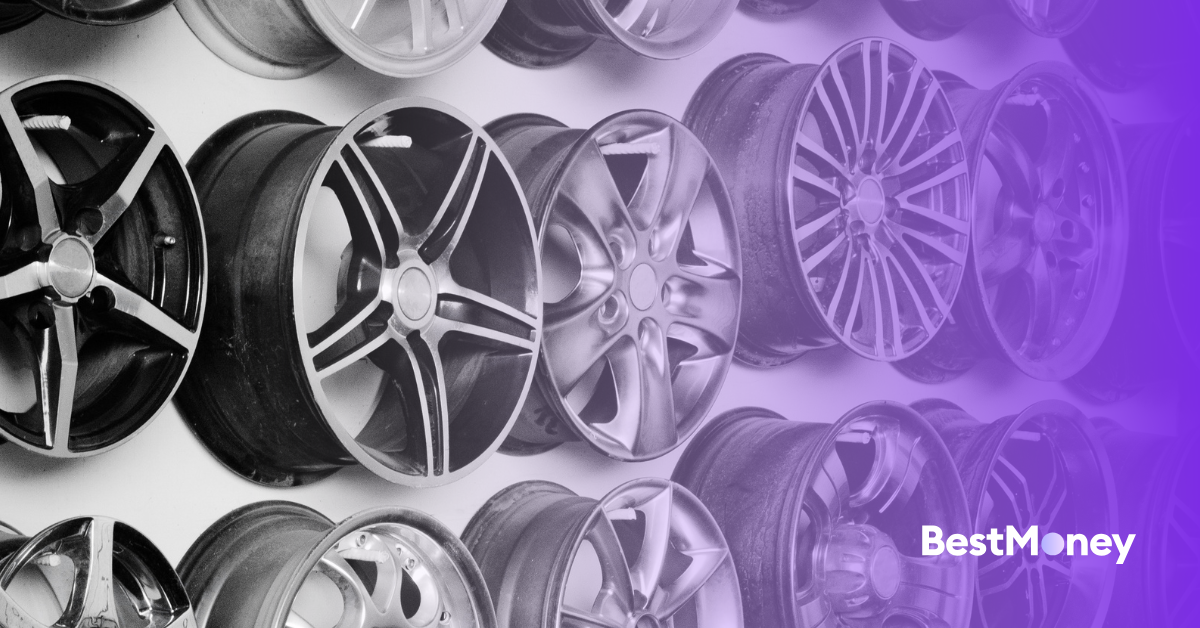
- Cosmetic. Changes to how the car looks. Custom paint, vinyl wraps, tinted windows, body kits, decorative lights, custom rims.
- Performance. Changes to how the car drives. Engine tuning, turbochargers, superchargers, exhaust upgrades, intake systems, transmission upgrades.
- Functional. Changes that alter how the car operates. Suspension lifts or drops, brake upgrades, oversized tires, custom seats, racing harnesses.
- Accessibility. Changes that adapt the vehicle for drivers or passengers with disabilities. Hand controls, wheelchair lifts, custom seating systems, modified pedals.
Why insurers classify modifications as risk changes
To understand how car modifications affect car insurance premiums, it helps to see things from the insurer’s perspective. When you bought your policy, the insurer rated your vehicle based on its factory configuration. They know the safety features, the engine size, and the repair cost data for that specific make and model. They also know the theft rate and the accident history. Their pricing assumed the car would stay in that configuration.
A modification changes one or more of those assumptions. A turbocharger increases engine power, which statistically correlates with higher accident severity. A lowered suspension changes handling characteristics. Custom rims increase theft attractiveness. A wheelchair lift increases the vehicle’s replacement cost.
Insurers respond to these changes by re-rating the vehicle. The new rate reflects the new risk profile. Sometimes the rate goes up. Sometimes the insurer decides the modified vehicle no longer fits their underwriting criteria and declines to cover it.
How car modifications affect car insurance premiums
The relationship between modifications and premiums comes down to four risk factors insurers care about. Understanding these factors helps you predict how a specific mod will affect your rate.
Repair and replacement cost
Aftermarket parts cost more than factory parts. When your modified vehicle is damaged, the insurer faces a dilemma. They have to either source aftermarket replacements (expensive) or use factory parts that don’t match your build (unsatisfactory). Either way, claim costs increase.
A factory-spec sedan with a $30,000 replacement value becomes a $42,000 replacement value with $12,000 in aftermarket upgrades. The insurer’s potential loss in a total-loss claim just increased by 40%. Your premium reflects that.
Theft attractiveness
Certain modifications make vehicles more attractive to thieves. Custom rims, high-end audio systems, performance parts, and visible body kits signal that the vehicle contains valuable aftermarket components. Modified Honda Civics, Subaru WRXs, and certain Japanese performance cars are statistically more likely to be stolen than factory-stock versions.
Higher theft risk means higher comprehensive coverage costs.
Accident risk
Performance modifications change how the vehicle handles, accelerates, and brakes. Drivers of modified vehicles are statistically more likely to drive aggressively. They’re also more likely to be involved in high-speed incidents and more likely to file accident claims. Insurers price for this pattern even when individual modified-vehicle owners drive carefully.
A vehicle with an engine modification, lowered suspension, or oversized tires gets rated differently than the same vehicle in stock form. This applies regardless of who’s driving.
Driver risk profiling
Some insurers view modification choices as a proxy for driver behaviour. A driver who installs a turbocharger is statistically more likely to drive fast than a driver who installs a roof rack. The mod itself signals intent.
This isn’t always fair to individual drivers, but it’s how the risk pools work. The premium reflects the average behaviour of drivers who make similar modifications, not your specific driving record alone.
The bottom line on premium impact
How car modifications affect car insurance premiums depends on which of the four factors above the mod triggers. According to industry sources, modifications can increase Canadian auto insurance premiums by up to 36% depending on the type and combination of changes. Your actual increase depends on your insurer, your driving record, your location, your vehicle type, and the specific modification. The next section breaks down typical premium impact by modification category.
Types of modifications and their insurance impact
Understanding how each category of modification affects your policy helps you plan before installation rather than after.
| 🔧 Modification Type | 💰 Typical Insurance Impact |
|---|---|
| 🎨 Cosmetic Modifications | Usually low increase (0%–15%) due to higher repair and theft costs |
| ⚡ Performance Modifications | Highest impact (20%–50%+) because insurers see higher accident risk |
| 🛞 Suspension & Handling Mods | Moderate increase (10%–25%) due to handling and rollover concerns |
| 🔊 Technology & Interior Mods | Small increase (0%–10%) based on added replacement value |
| ♿ Accessibility Modifications | Usually little to no increase, though vehicle value may rise |
Cosmetic modifications
Cosmetic mods change how the vehicle looks without altering performance. They include:
- Custom paint or vinyl wraps
- Body kits and spoilers
- Tinted windows
- Aftermarket rims and wheels
- Decorative lighting
- Decals and badges
Insurance impact. Generally low to moderate. Most insurers cover legal cosmetic modifications, though they may not be included in your standard policy without disclosure. The main risk is replacement cost: if your $5,000 custom paint job is damaged, standard collision coverage may not pay the full restoration cost.
Things to watch for. Window tinting that exceeds provincial legal limits is illegal and uninsurable. In most Canadian provinces, the front windshield and front side windows must allow clear visibility. Decorative lighting in restricted colours (red, blue, green) is illegal because those colours are reserved for emergency vehicles in many provinces.
Premium effect. Typically a small increase (0% to 15%), depending on the value of the modifications.
Performance modifications
Performance mods change how the vehicle drives, accelerates, or handles. They include:
- Engine tuning, chip tuning, or ECU remapping
- Turbochargers or superchargers
- Cold air intakes
- Aftermarket exhaust systems
- High-performance camshafts
- Transmission upgrades
Insurance impact. High. Performance mods change the vehicle’s risk profile fundamentally. Many insurers will not cover heavily modified performance vehicles under a standard policy. Some require a specialty insurer.
Legal considerations in Canada. Nitrous oxide (NOS) is illegal as a vehicle modification in Canada. Drivers caught with NOS face penalties up to $2,000 and up to six months in jail according to ThinkInsure. Removing emission control equipment like the oxygen sensor or charcoal canister is also illegal. Adding a turbocharger or supercharger is legal as long as emissions equipment remains in place.
Premium effect. Significant. Performance mods typically increase premiums 20% to 50% or more. Some combinations may make the vehicle uninsurable through standard channels.
Suspension and handling modifications
These include:
- Lowered suspension (springs, coilovers)
- Lifted suspension (more common in trucks and SUVs)
- Performance shocks and struts
- Anti-roll bars
- Strut tower braces
Insurance impact. Moderate to high. Lowered vehicles have changed handling characteristics, reduced ground clearance, and altered crash dynamics. Lifted vehicles have higher centres of gravity that affect rollover risk and crash compatibility with standard vehicles.
Legal considerations. In Ontario and most provinces, lowering is legal as long as the vehicle isn’t touching the ground, tires aren’t contacting the body, and front wheels remain visibly aligned. Excessive lifts may require provincial inspection certificates.
Premium effect. 10% to 25% increase is typical, though heavily modified suspension setups may require specialty coverage.
Technology and interior modifications
These include:
- Aftermarket audio systems and subwoofers
- Infotainment upgrades with screens
- Custom dashboards and gauges
- Premium speakers and amplifiers
- Aftermarket alarm and tracking systems
Insurance impact. Moderate, mostly driven by value. A $3,000 audio system creates $3,000 of additional replacement exposure for your insurer. Aftermarket alarms and tracking systems sometimes earn discounts because they reduce theft risk.
Things to watch for. Keep receipts for all installations. Without documentation, your insurer may not cover the full replacement value of high-end audio equipment in a theft claim.
Premium effect. Usually 0% to 10% increase, sometimes a discount for security upgrades.
Accessibility modifications
These include:
- Hand controls for accelerator and brake
- Wheelchair lifts and ramps
- Modified seating systems
- Pedal extensions
- Lowered floors in vans
Insurance impact. Usually minimal in terms of premium increase. Most Canadian insurers cover accessibility modifications without a rate increase, since these changes don’t affect performance or theft risk.
Replacement cost considerations. A wheelchair lift adds significant value to the vehicle. If you have a $15,000 lift on a $25,000 van, your total vehicle value is $40,000. Make sure your policy reflects this for total-loss coverage. Some provinces offer grants for accessibility modifications, which can offset both installation and ongoing insurance costs.
Premium effect. Minimal direct premium impact, though increased vehicle value may slightly increase comprehensive coverage costs.
Disclosing modifications to your insurer
This is the single most important part of car modification insurance. Failure to disclose modifications is the most common way drivers accidentally void their own coverage.
Why disclosure matters
Your insurance policy is a contract. You agreed to insure a specific vehicle in a specific configuration. When you modify that vehicle without telling the insurer, you’ve changed the subject of the contract without their consent. From the insurer’s perspective, the policy may no longer reflect what they agreed to cover.
Canadian insurers consistently confirm this responsibility lies entirely with the policyholder. Your insurer has no obligation to ask about modifications during your policy term. You have an obligation to tell them about any changes that affect the vehicle.
What happens if you don’t disclose
The consequences range from inconvenient to financially catastrophic.
- Claim denial. This is the most common scenario. You file a claim after an accident. The insurer inspects the vehicle, finds undisclosed modifications, and denies the claim. You pay for the damage personally, including damage to other vehicles or property.
- Policy cancellation. The insurer may cancel your policy mid-term for material misrepresentation. You’ll need to find new coverage, often at higher rates, and you’ll have a cancellation on your record that future insurers will see.
- Personal liability for at-fault accidents. This is the worst case. If you cause an accident and your insurer denies your claim due to undisclosed modifications, you’re personally liable for all damages to other parties. In a serious accident with injuries, this can mean hundreds of thousands of dollars in personal exposure.
- Insurance fraud risk. In extreme cases, deliberately failing to disclose material information about a modified vehicle can constitute insurance fraud, which carries criminal and civil consequences.
When and how to disclose
The right time to disclose is before the modification is installed. Here’s why:
- Your insurer can tell you whether they’ll continue to cover the vehicle after the mod
- You’ll learn how car modifications affect car insurance premiums in your specific case before committing to the cost
- If your current insurer won’t cover the modified vehicle, you have time to shop for specialty coverage before the work is done
- You avoid the awkward situation of having an uninsurable vehicle sitting in your driveway
To disclose, contact your broker or insurer directly. Provide:
- A description of the modification
- The estimated cost (parts and installation)
- Whether installation will be done by a certified professional
- Any documentation from the installer
Most insurers will adjust your policy on the spot or refer you to a specialty insurer if needed.
Common disclosure mistakes
Even drivers who know they should disclose make recurring errors:
- Assuming cosmetic mods don’t matter. Even a $400 set of custom rims should be disclosed because they affect both replacement cost and theft risk.
- Installing performance mods first, then asking. By the time you ask, you’re already driving an uninsured vehicle. Disclose before, not after.
- Underestimating replacement cost impact. A $2,000 stereo and $1,500 in lighting might not feel significant, but $3,500 in aftermarket parts changes your coverage needs.
- Not getting installation documented. Without receipts and installer certifications, you may have trouble proving the value and quality of work in a claim.
- Forgetting to update after multiple mods. Many drivers disclose the first modification but forget to update for subsequent changes. Each new mod should be disclosed.
Car modification insurance in Canada
Modified vehicles can be insured in Canada, but the coverage market is more limited than for stock vehicles. Understanding how the system works helps you find appropriate coverage.
How insurers underwrite modified vehicles
Standard auto insurers typically use one of three approaches with modified vehicles:
- Accept with rate adjustment. For minor modifications, the insurer keeps the policy in place and adjusts the premium upward. This is common for cosmetic changes, accessibility upgrades, and small functional mods.
- Accept with restrictions. Some insurers will cover the vehicle but exclude certain components from coverage. For example, a policy might cover the vehicle but exclude aftermarket audio equipment unless separately scheduled.
- Decline coverage. For heavily modified vehicles, especially with performance modifications, many standard insurers simply decline coverage. The vehicle falls outside their underwriting criteria.
Standard policy limitations
Most standard Canadian auto policies don’t automatically cover aftermarket parts at full value. BrokerLink notes a key limitation. Unless explicitly stated in the policy, standard auto insurance either doesn’t cover aftermarket parts or offers only minor coverage for certain aftermarket modifications.
This means that even if your insurer accepts your modified vehicle, your aftermarket components may not be fully covered in a claim. Make sure you understand exactly what’s covered before you assume anything. Your custom paint job, sound system, or wheels may not be paid out in a total loss.
Specialty insurers for heavily modified vehicles
When standard insurers decline, specialty insurers fill the gap. These providers focus on modified, custom, and classic vehicles. They typically offer:
- Agreed value coverage. Instead of paying actual cash value (which depreciates), the insurer pays a pre-agreed amount in a total loss. This protects the investment in modifications.
- Aftermarket parts coverage. Specific coverage for non-factory parts and accessories.
- Higher coverage limits for vehicles with significant aftermarket investment.
- Specialized claim handling with adjusters familiar with modified vehicles.
A search for terms like “modified car insurance Canada,” “specialty auto insurance Canada,” or “agreed value car insurance Canada” will surface current specialty providers. Brokers who handle high-end and classic vehicles can also direct you to appropriate insurers.
Province-specific considerations
Auto insurance is regulated provincially in Canada. The rules around what’s insurable, what’s legal, and what insurers can offer vary by province:
- British Columbia, Saskatchewan, and Manitoba have public auto insurance through ICBC, SGI, and MPI respectively. These public insurers have specific rules about modifications.
- Quebec has a hybrid system with public coverage for bodily injury and private coverage for property damage. Quebec’s SAAQ can pull modified vehicles off the road if roadworthiness is doubtful, requiring a certificate of inspection.
- Ontario, Alberta, and Atlantic provinces have private auto insurance with multiple competing insurers. This often gives modified vehicle owners more options.
How to reduce insurance costs after modifying a car
If you’ve already modified your vehicle or plan to, several strategies can manage the premium impact without compromising coverage.
Choose insurer-friendly modifications
Some mods earn discounts. Aftermarket alarms, GPS tracking systems, and immobilizers reduce theft risk and can lower comprehensive coverage costs. Winter tire installations also earn discounts with many Canadian insurers.
If you’re planning multiple modifications, start with the ones that improve safety or security before adding ones that increase risk. This builds a more favourable risk profile with your insurer.
Bundle your policies
Most Canadian insurers offer discounts when you bundle auto with home, condo, tenant, or other policies. The bundle discount typically ranges from 5% to 15% and can offset some of the modification premium increase.
Increase your deductible
A higher deductible reduces your premium. If you increase your collision deductible from $500 to $1,000, you’ll typically save 10% to 15% on collision coverage. Make sure you can afford the higher out-of-pocket cost if you file a claim.
This trade-off makes more sense for modifications you don’t expect to claim against frequently. Performance mods that increase accident risk are a worse fit for high-deductible strategies.
Document everything
Keep records of:
- All modification receipts (parts and labour)
- Installer certifications and credentials
- Photos of the vehicle before and after each modification
- Provincial vehicle permits if your modifications require them
- Any inspection certificates
Good documentation supports both your insurance disclosure and any future claim. Without it, you may struggle to prove the value of your modifications in a total-loss scenario.
Pay annually
Most Canadian insurers add a fee for monthly payment plans (typically 2% to 5% of the premium). Paying annually removes that fee. For modified vehicles with higher premiums, the savings can be meaningful.
Shop your renewal
Modified vehicles often see larger renewal increases than stock vehicles. When your renewal arrives, get quotes from at least two or three other insurers. Some specialize in modified vehicles and price competitively. Others avoid the segment entirely. Comparison shopping is more valuable for modified vehicles than for stock ones.
Final thoughts
Understanding how car modifications affect car insurance premiums comes down to one principle: full transparency with your insurer. The cheapest, fastest path to protecting yourself is to call your broker before you modify. Get clear answers about premium impact and coverage limitations, and document everything.
The most expensive path is to modify first, hope nothing happens, and find out at claim time that you’ve been driving uninsured for months. The difference between the two paths is usually one phone call.
If your modifications are minor (window tint, basic alloy wheels, a roof rack), most standard insurers handle them without major issues. If your modifications are significant (engine work, suspension changes, custom paint), expect a different outcome. You’ll either pay a substantially higher premium with your current insurer or move to a specialty provider. If your modifications are illegal (NOS, dark front tints, restricted-colour lighting), no legitimate Canadian insurer will cover the vehicle. You’ll also face fines on top of the insurance problem.